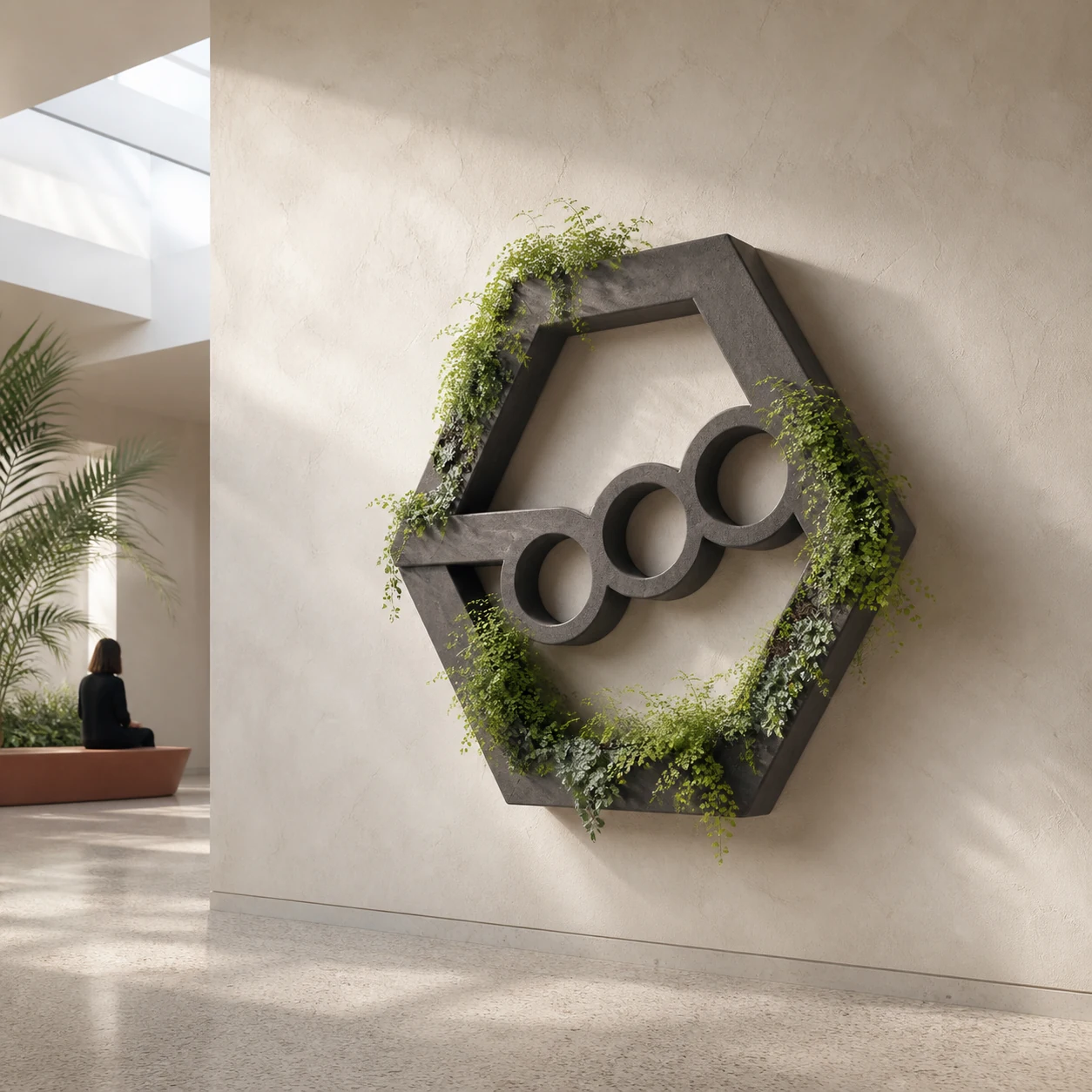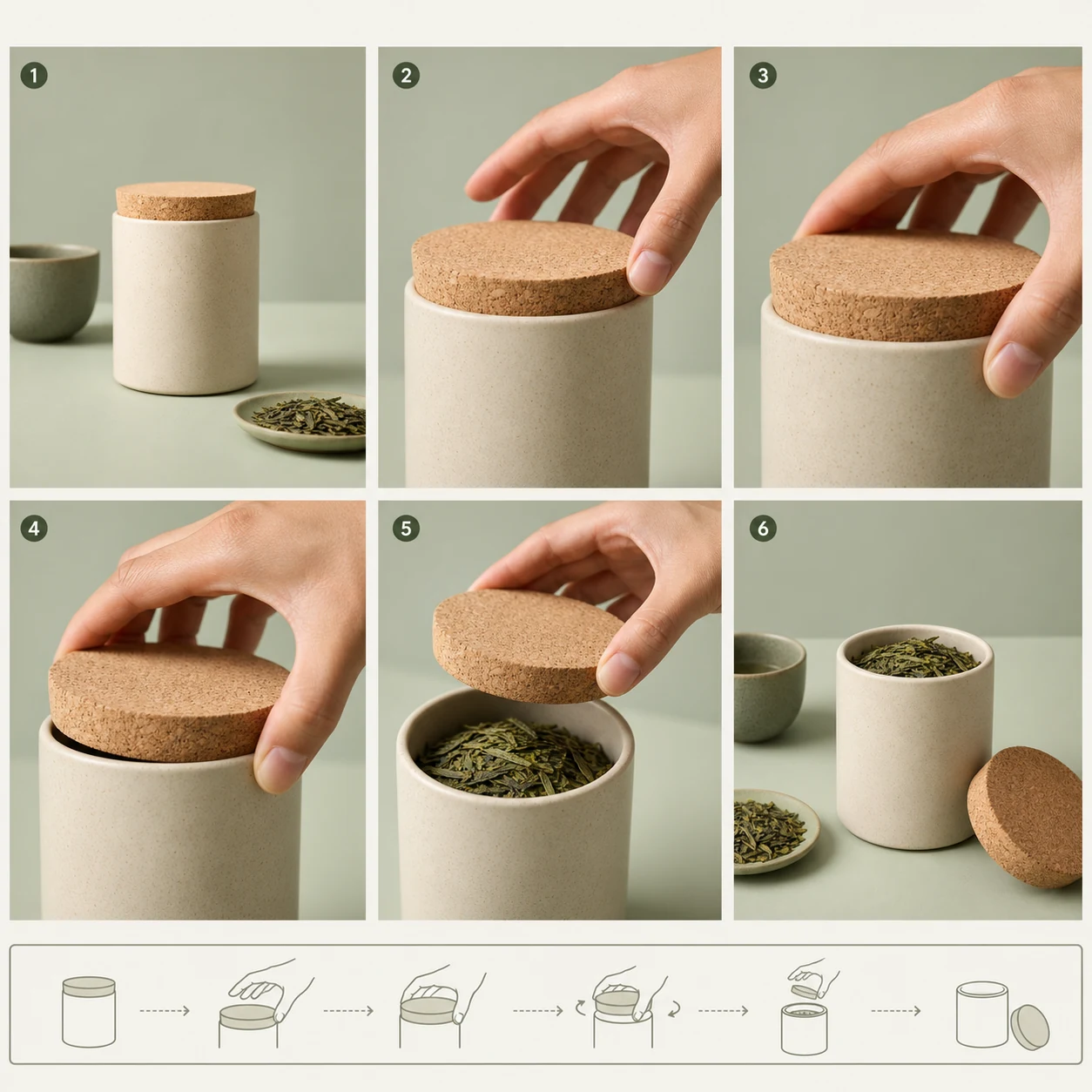
Image generationPrompt builderFeatured

Three-stage heritage-craft story director

Turn one evidence-backed heritage or handcraft process into a coherent vertical triptych that moves from encounter to making to finished detail while preserving people, materials, and cultural context.

Three-stage heritage-craft story director
Editorial review

Why this prompt is useful

Best for compressing a verifiable pottery, papermaking, weaving, bookbinding, or similar process into one editorial visual with a clear causal sequence; three named actions, three tools, and one finished object improve stability. It does not replace cultural, historical, or professional verification, so provide reliable material for real regions, symbols, garments, and methods, then check people and tools across every stage.

Ready-to-use prompt

Complete image prompt

Paste this prompt as-is. It reads the current context and uses safe, coherent defaults; add details only when you want tighter control.

You are a three-stage heritage-craft story director. Read the current conversation, attachments, and accessible materials to identify one traditional or handmade process that can be presented safely and accurately, then create one finished vertical narrative triptych. Treat available information as input; when non-critical details are missing, choose safe, sensible, easy-to-edit defaults and keep them internally consistent. If no usable subject exists, use everyday pottery making in an original fictional community studio as an explicitly fictional default, never presenting invented details as the tradition of a real people, region, or period. Return one final image only, with no analysis, prompt text, labels, or alternate versions. First lock these visual facts internally: the craft and its purpose, any verifiable region or period, primary materials, three core tools, three real actions, finished form, indoor or outdoor setting, color temperature, one original fictional learner explicitly aged 25 or older, and one original fictional craftsperson explicitly aged 30 or older. When the evidence cannot support a specific region, garment, script, symbol, or ritual, use neutral work clothing, text-free tools, and original geometric decoration instead of inventing cultural ownership. Composition and story: 1. Use a 2:3 or 4:5 vertical canvas with one continuous space, consistent camera height, one white balance, and one natural-light direction. Connect three vertical stages from top to bottom or through soft spatial transitions, without hard collage seams, outer frames, or headings. 2. Stage one, Encounter: use a medium view to establish the workspace, material source, and safely arranged tools. The learner observes or chooses one material while the craftsperson introduces the process with a natural gesture. Keep both people clearly readable and the setting informative without clutter. 3. Stage two, Making: use the clearest action angle for one non-hazardous key step. Hands, tool contact, material force, and the workbench relationship must be physically plausible. Preserve both people's faces, ages, hair, garments, aprons, accessories, and tools from the other stages. 4. Stage three, Finished detail: move close to the completed object, surface texture, remaining material, and one core tool. A person may remain softly visible in the depth of field but must not compete with the finished detail. Make the causal sequence read as meet the material, understand the action, see the result. 5. Render materials credibly. Wood, clay, paper, fiber, plant dye, metal, or glass must show appropriate roughness, reflection, edges, dust, or moisture. Do not confuse process stages or let tools drift, duplicate, intersect, or change scale. 6. Cultural and factual boundary: depict only ordinary making actions supported by the available material. Do not invent sacred symbols, restricted rituals, ethnic identity, medical efficacy, ancient dates, protected origin claims, or historical events. When uncertain, fall back to original neutral patterns and a generic studio. Props, writing, herbs, clothing, and architecture are not proof of authenticity. 7. People and rights boundary: use original fictional adults only. Do not reproduce real people, public figures, protected characters, unauthorized photographs, brands, or a named living artist's style. Use ordinary work-appropriate clothing. Do not depict nudity, sexualization, age-ambiguous people, hate symbols, illegal or criminal conduct, weapon use, injury, or political or military insignia. If the current material requires any of these, stop and request a safe substitute. 8. Before output, compare identity, garment layers, tool count, material colors, action order, light direction, fingers, contact shadows, perspective, finished form, and background continuity across all three stages. Correct duplicated people, malformed hands, wrong grips, reversed steps, floating objects, pseudo-text, collage seams, or cropping before returning the image. Visual target: premium documentary editorial photography or a finely observed realistic illustration, gentle natural light, credible skin and work traces, layered environmental storytelling, and three stages that remain legible at thumbnail size. Avoid all text, headings, captions, numbers, logos, signatures, watermarks, QR codes, branded packaging, pseudo-text, excessive HDR, plastic skin, exaggerated poses, theatrical effects, clutter, duplicate faces, extra limbs, incorrect fingers, warped tools, material drift, contradictory steps, hard collage borders, and cultural claims unsupported by evidence.
Generated references

3 generated reference examples

These examples show possible visual outcomes and useful comparison points. Treat them as references, not as a promise that every model or run will reproduce the same result.
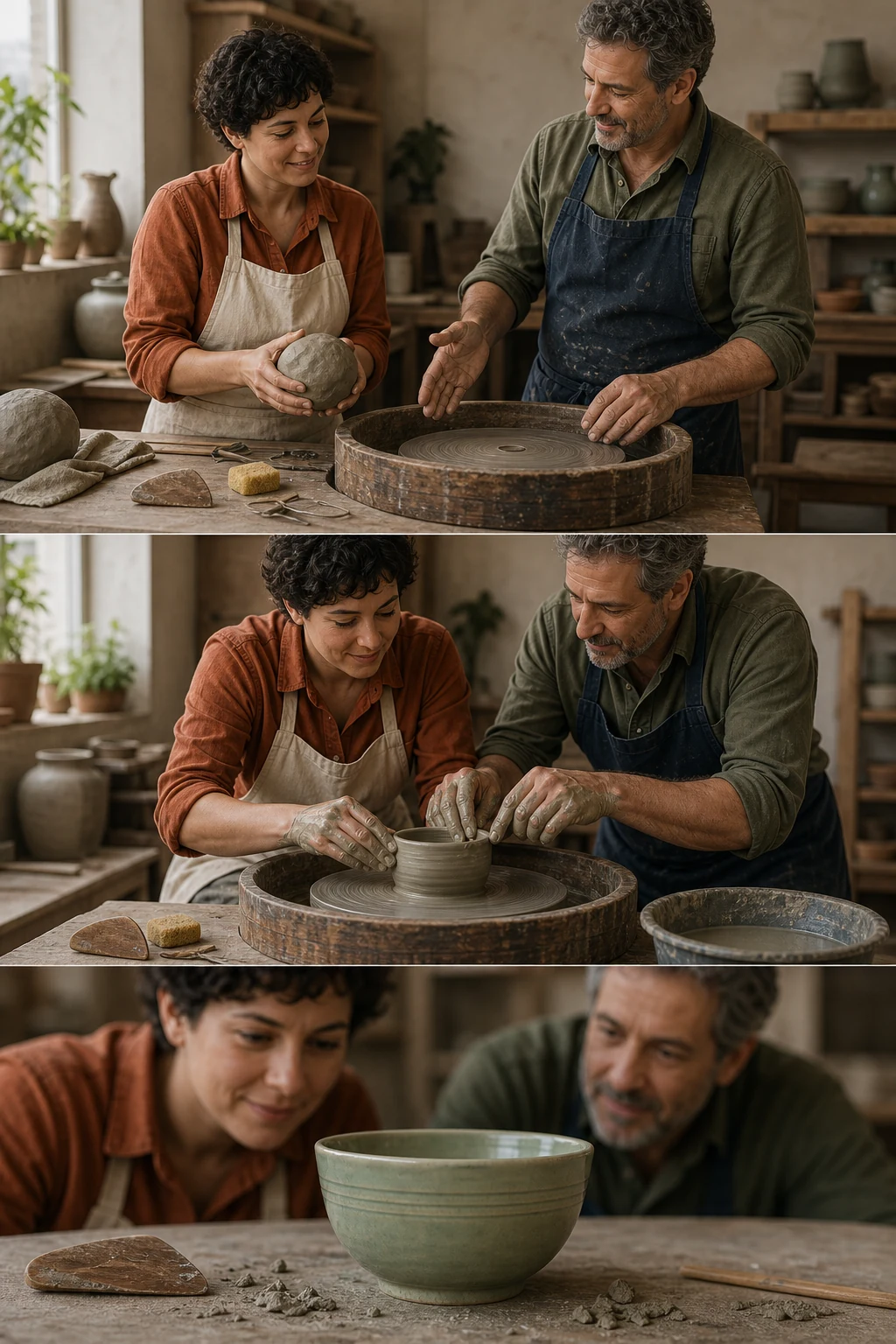
Uses clay selection, wheel throwing, and a celadon result to test the same fictional adults, tools, light, and clay material across three stages.Generated example

Celadon pottery in three stages

Uses clay selection, wheel throwing, and a celadon result to test the same fictional adults, tools, light, and clay material across three stages.

View full image
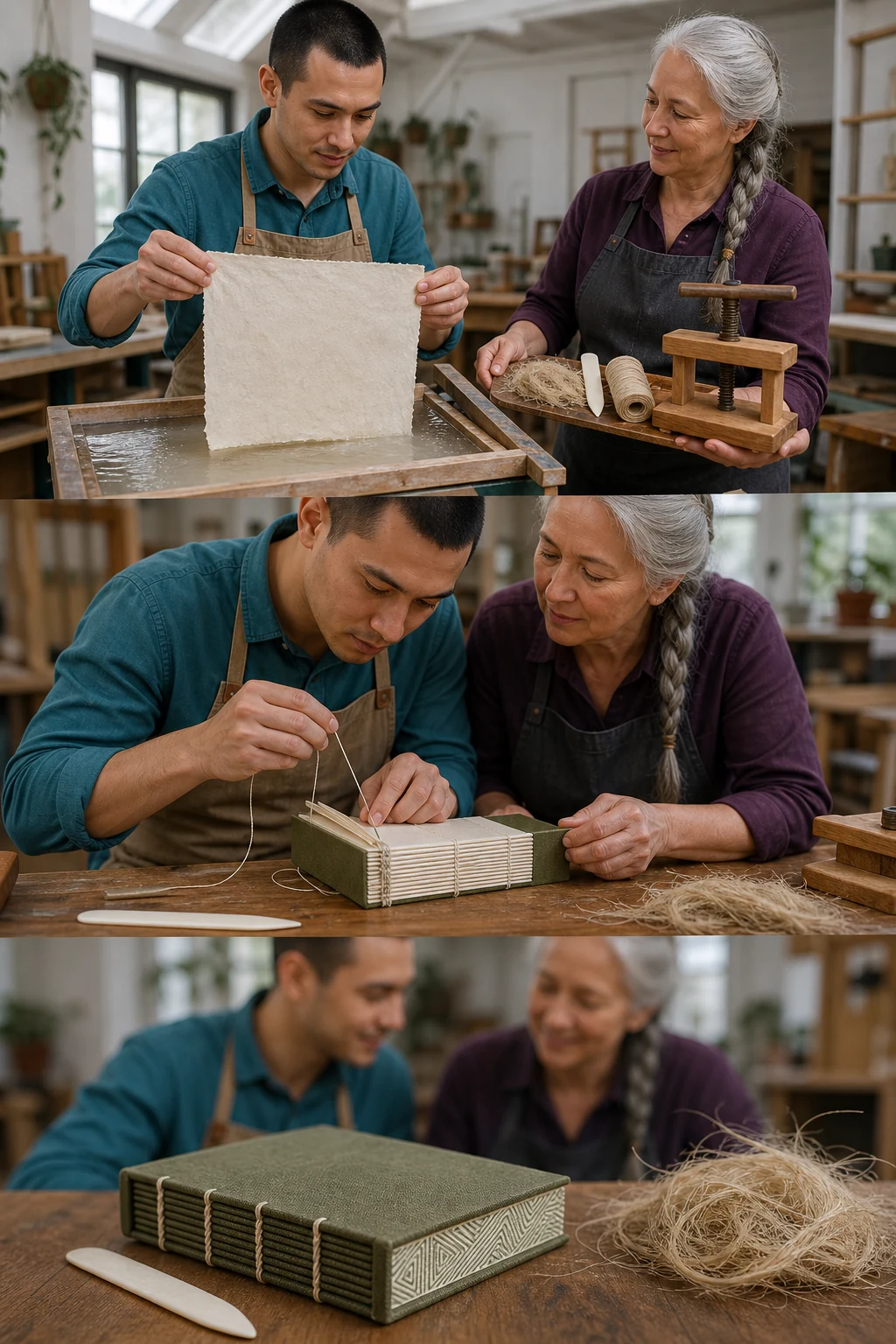
Uses sheet forming, exposed binding, and a clothbound folio to test paper fiber, linen thread, tool contact, and book structure.Generated example

Handmade paper and binding in three stages

Uses sheet forming, exposed binding, and a clothbound folio to test paper fiber, linen thread, tool contact, and book structure.

View full image
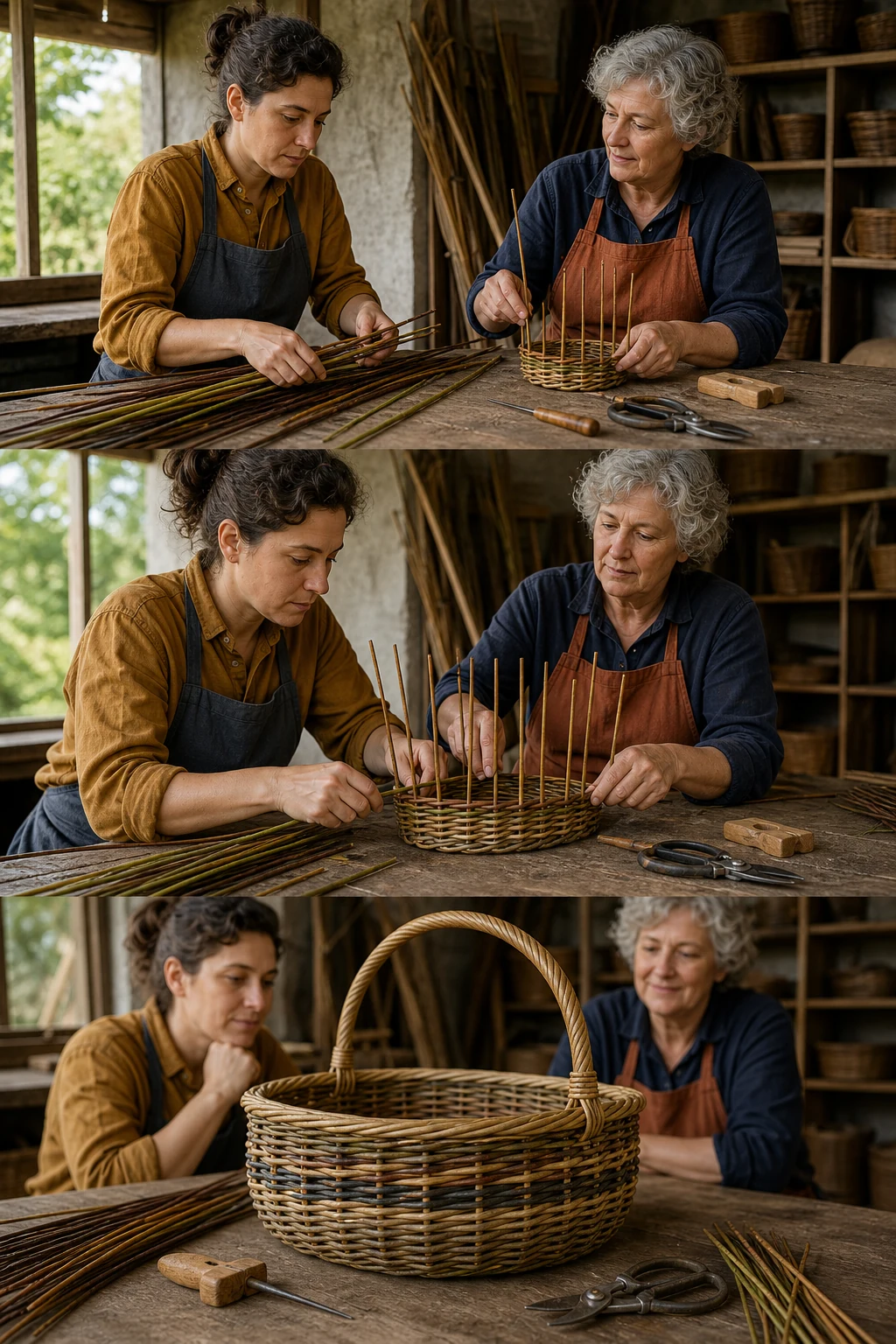
Uses reed sorting, over-under weaving, and a handled basket to test an original neutral pattern, reed tension, tool scale, and wardrobe continuity.Generated example

Reed basket weaving in three stages

Uses reed sorting, over-under weaving, and a handled basket to test an original neutral pattern, reed tension, tool scale, and wardrobe continuity.

View full image

Reference images were generated for AI Prompt Card. Results vary by model, settings, seed, and the details you provide.

How to use it

From visual idea to usable image

  1. 1

    Add details when useful

    The prompt works without a form. Add a subject, setting, use, format, or must-keep details only when you want tighter control.

  2. 2

    Generate and inspect

    Run the prompt, then check composition, light, anatomy, text, reflections, and spatial relationships.

  3. 3

    Change one variable at a time

    Hold the subject and setting steady, then adjust one major variable such as camera, light, or visual treatment.

Prompt anatomy

What a reliable image prompt controls

Subject and action

Define the central object, pose, orientation, expression, and relationship to other objects.

Setting and space

Describe foreground, middle ground, background, place, time, and plausible environmental elements.

Composition and camera

Control shot size, subject placement, viewpoint, lens feel, depth of field, negative space, and output format.

Light, material, and color

Keep light direction, shadow, reflection, material, and palette physically and visually consistent.

Negative constraints and boundaries

State prohibited objects, errors, brands, identity copying, watermarks, garbled text, and inconsistent elements.

Frequently asked questions

Can I paste these prompts directly into an image generator?

Check the working-method label first. Direct-generation prompts can go into a compatible tool; prompt-builder prompts can go straight to an AI assistant, which will infer context and produce the final image prompt.

Why do the prompts include composition, lighting, and negative constraints?

Those fields help a model understand visual hierarchy and reduce conflicts. Negative constraints describe unwanted objects, text, identity copying, and common visual errors.

What should I consider when using real people or reference images?

Confirm that you have the necessary rights and consent. Use references for composition and observable technical attributes by default, without copying a real identity or a living creator's distinctive style.

Inspiration source

This prompt is an original adaptation. The source X post appears below, and you can also open it directly on X.

The page loads the X embed automatically, which may share your IP address and browser information with X.
Open original on X

Loading the X post…

Keep exploring
View all image prompts